Guide · AI virtual staging
Virtual staging in Mallorca: help buyers imagine, without misleading them
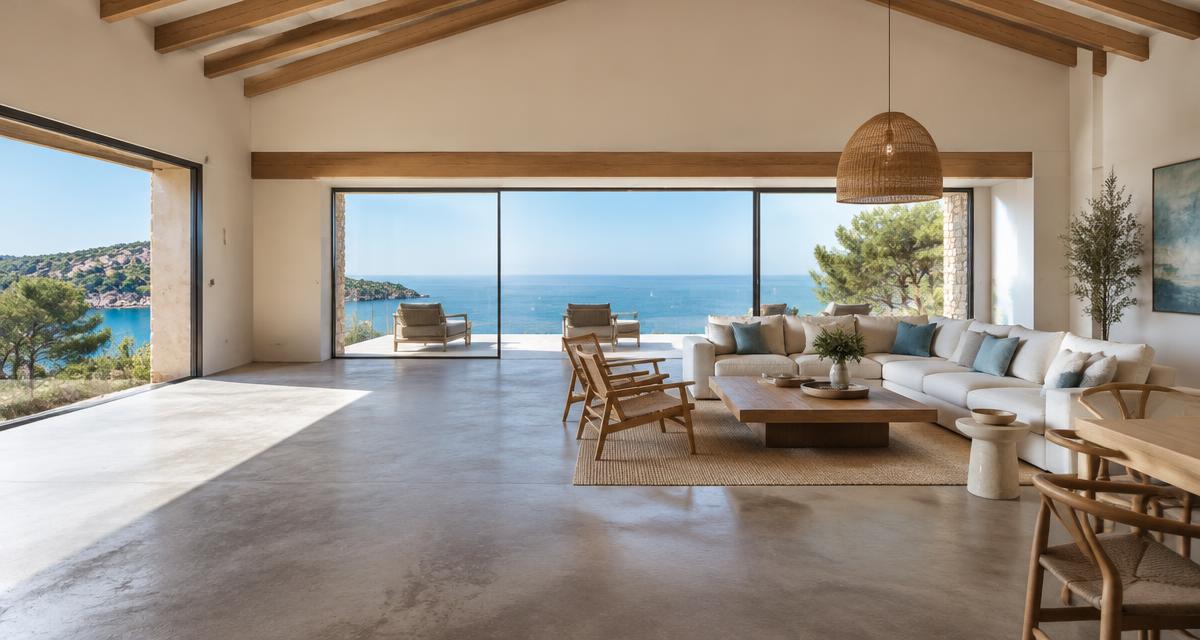
An empty room can be hard to interpret in a property listing. Virtual staging adds a proposed furniture arrangement to real photographs so buyers can explore how the space might work. For Mallorca agents, the useful version is transparent: it shows a possibility without pretending the furniture or renovation already exists.
Decide what the image needs to explain
Choose rooms where furniture would clarify a practical question: where a dining table could sit, how a living area might be organised or whether an empty bedroom is easy to understand. Do not stage every photograph automatically. A useful proposal answers a question about the room rather than simply making the listing look busier or more expensive.
For a Palma apartment, a villa in Santa Ponsa or a home near Sóller, begin with the particular room rather than a standard island mood board. Ask the agent what viewers find confusing. Agree on the intended function and any known constraints before selecting furniture. If dimensions have not been supplied, avoid claims about what will definitely fit and request measurements for a more informed proposal.
Prepare source photos that can be trusted
Use clear, current images with visible corners and enough floor area to understand the room. Supply more than one angle where possible and identify which pictures show the same space. Include known dimensions, fixed fixtures and anything that must remain visible. Keep a named original for every staged version so reviewers can compare them without guessing which source was used.
Poor source material creates avoidable uncertainty. If a photograph hides a wall, clips the windows or uses a distorted angle, a fresh camera shoot may be the better investment. A real shoot is also better when buyers need evidence of condition, finishes or circulation. Virtual staging should not be asked to fill missing documentary information with a plausible-looking invention.
Set a strict boundary between furnishing and alteration
Adding a sofa is different from moving a wall. Instruct the creative team to retain doors, windows, ceiling height, structural elements, radiators, sockets and fixed kitchen or bathroom fittings. Do not remove signs of damage or change the view outside. Check furniture proportions and walking routes too: an attractive arrangement that blocks a doorway is not a useful explanation of the space.
If a business also wants a renovation concept, treat it as a separate, clearly identified proposal, not the current property photograph. Do not mix an imagined finished kitchen into a gallery as though it already exists. For the staging brief itself, use a simple rule: movable furniture may be proposed; the property’s physical features and condition stay unchanged.
Publish the proposal with its original
Add a visible label such as “Virtually staged — furnishing proposal” and include the original photograph nearby. Repeat the explanation in captions and translated versions rather than relying on a small disclaimer elsewhere on the website. Make clear that the proposed furniture is not evidence of items included in the sale. The buyer should understand the distinction before arranging a viewing.
Use consistent filenames and room labels so portals, social posts and brochures do not accidentally swap staged and original images. Check labels after cropping for a carousel or vertical format. If a third party republishes the material, provide both the original and the disclosure text. Transparency needs to travel with the image, not remain only in the internal approval email.
Approve a pilot before extending the style
Start with one room, one furniture direction and an explicit review checklist. Compare source and output for geometry, fixtures, view, condition and scale. If multiple angles are staged, check that furniture positions agree across them. Only then extend the approach to other rooms. Listen for questions at viewings: repeated confusion about included furniture means the presentation needs clearer labels, not more decorative detail.
Ia Mallorca offers virtual staging alongside AI images, property video and campaign creative. A €490 one-off creative pilot can establish a direction; agree the scope before starting. Real estate plans begin at €290/month (6-month commitment) and Campaign Partner is custom quoted. Taxes are extra; posting, ad management and media spend are quoted separately. First concepts arrive in 48–72 hours, and delivered content includes full commercial rights. Send original photographs and constraints to +34 624 273 525.
Frequently asked questions
Is virtual staging the same as renovation imagery?
No. Staging proposes movable furnishings. A renovation concept changes the imagined property and should be handled and labelled separately.
Should we show the empty room too?
Yes. Keep the original image available alongside the staged proposal so buyers can compare them.
Can you remove damage from a listing image?
Do not use staging to conceal condition. Property visuals should preserve the reality a buyer needs to assess.
What material is needed?
Provide current room photographs, additional angles where possible, known measurements and a list of fixed features that cannot change.
Want to see what we can create for your brand?
Start with a €490 creative pilot or message us directly.