Guide · Honest food imagery
AI food photography for Mallorca restaurants: start with the real dish
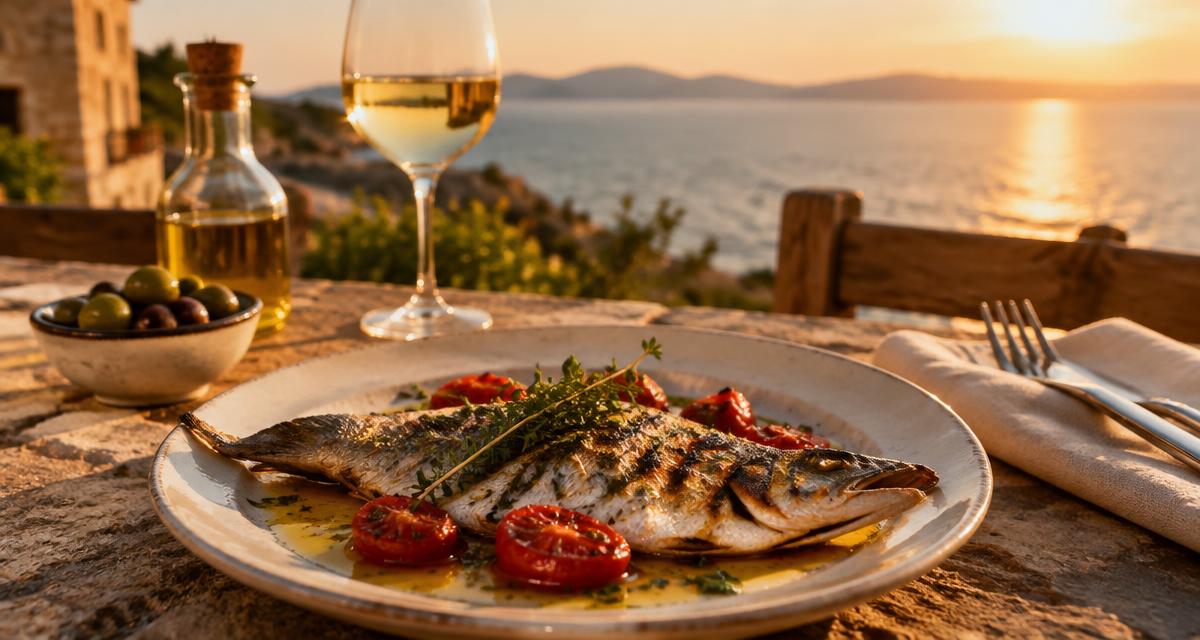
A restaurant image sets an expectation that the kitchen has to meet. AI can help turn real dish photographs into campaign variations, but it should not invent a meal that diners cannot order. For restaurants in Palma, Sóller or Alcúdia, the starting point is the same: photograph what you actually serve and keep the food recognisable.
Photograph the dish your kitchen actually serves
Choose a small group of dishes that will remain on the relevant menu during the campaign. Prepare them as they would leave the kitchen, using the normal portion and plate. Capture clear photographs from useful angles, with enough detail to identify ingredients and texture. Record the dish name, the current presentation and any elements that must not be changed in later creative work.
Give the creative team both the approved food photographs and the current menu description. If the recipe or garnish changes, flag it before publishing another version. Do not use a generic generated plate as a shortcut for a missing source image. When diners can order the pictured food, the restaurant’s own material must anchor the result, even if the surrounding campaign design is imaginative.
Separate menu evidence from campaign atmosphere
A menu image should help someone understand the actual dish. Keep composition clear and avoid dramatic treatments that hide the food. A campaign image can place the real photographed dish within a branded graphic layout or an approved atmospheric treatment, provided it does not change what is being offered. Make the role of each asset explicit in the brief so decorative ideas do not replace useful menu information.
AI can support background treatments, visual concepts and different text layouts based on the source material. Be careful with additions: a glass of wine or a side dish can imply an inclusion even if intended as decoration. An invented terrace may suggest seating the restaurant does not have. Label illustrative settings clearly where necessary, and use real venue photography whenever the image represents the actual dining space.
Check food accuracy with the people making it
Ask the kitchen to compare each final food image with the original and the normal plate leaving service. Check ingredient count where visible, portion size, garnish, sauce, colour and plate shape. Do not add premium ingredients, remove a component that defines the dish or make a modest serving look larger. Small visual changes can still create a very different expectation at the table.
Never use image generation as the source of ingredient, allergen or dietary claims. Those details need to come from the restaurant’s approved information. A real camera shoot is better for documenting a new menu, showing preparation, capturing steam and texture faithfully or photographing dishes that cannot be preserved accurately through generated variations. AI supports campaign production; it is not a substitute for checking what is served.
Build formats and a seasonal update routine
Create clear menu crops, feed images, story layouts and short vertical creative with readable text. Leave room for interface elements and keep an approved version without captions for future language adaptations. For English, Spanish, German or Swedish copy, use the restaurant’s verified dish descriptions rather than guessing an equivalent that changes the meaning. Keep dish names consistent with the menu guests receive.
Plan content around your own menu changes, confirmed opening periods and actual offers. Before promoting a seasonal dish, confirm it will be available during the campaign. Archive assets when dishes leave the menu so an old advert does not continue generating requests. If you change plating halfway through a campaign, update the source photograph instead of asking AI to invent the new presentation from a verbal description.
Start with a limited, reviewable brief
Send real photographs, menu descriptions, brand references and a list of prohibited changes. Choose one campaign goal, such as explaining a menu update or presenting a dish, and agree the approval route between kitchen and marketing. Review enquiries and recurring guest questions as well as engagement. If viewers misunderstand what is included, fix the image and wording rather than celebrating the attention alone.
Ia Mallorca makes AI images, videos and paid social creative for Meta, Instagram and TikTok. A one-off creative pilot costs €490; real estate plans start at €290/month (6-month commitment) and Campaign Partner is quoted individually. Taxes are extra, with posting, ad management and media spend quoted separately. First concepts arrive in 48–72 hours, and delivered content includes full commercial rights. Share your actual dish photos via WhatsApp +34 624 273 525 to discuss an honest starting brief.
Frequently asked questions
Can you create a dish image without a real photograph?
Not as a representation of food a restaurant actually serves. Supply real dish photographs; AI can then support appropriate campaign variations.
Can AI make our portions look more generous?
It should not. Preserve the portion size and plating diners can expect to receive.
Can we use an invented restaurant interior?
Not as a representation of your venue. Use real venue material, or clearly separate and label an illustrative campaign setting.
When is a real food shoot better?
For a new menu, preparation footage and accurate records of texture, plating and ingredients, a real camera shoot is the better foundation.
Want to see what we can create for your brand?
Start with a €490 creative pilot or message us directly.